Key Takeaways
| Topic | Summary |
|---|---|
| What are Structural Insulated Panels (SIPs)? | SIPs are high-performance building panels consisting of an insulating foam core sandwiched between two structural boards. |
| Are SIPs popular in Ireland? | Yes. SIPs are increasingly used for self-builds, extensions, modular homes, and energy-efficient housing. |
| Are SIPs cheaper than timber frame? | Usually not. SIPs often cost more upfront but can reduce labour costs and energy bills. |
| Lifespan | Properly installed SIPs can last 60+ years and potentially over 100 years. |
| Main Advantage | Excellent insulation, airtightness, and fast construction times. |
| Main Disadvantage | Higher upfront cost and the need for careful moisture management. |
| Best Use Case | Energy-efficient homes aiming for low heating costs and fast build times. |
Structural Insulated Panels (SIPs) in Ireland – Costs, Benefits, Drawbacks & Complete Guide
Structural Insulated Panels (SIPs) are one of the most talked-about construction methods in Ireland today. As homeowners look for faster build times, lower heating bills, and better energy performance, SIPs have become a popular alternative to traditional block construction and standard timber frame systems.
They are now commonly used in:
- Self-build homes
- modular housing projects
- home extensions
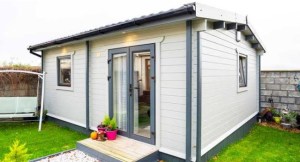
- garden rooms,
- and commercial buildings.
But are SIPs worth the investment?
In this guide, we’ll explain what Structural Insulated Panels are, how they work, their costs, advantages, disadvantages, lifespan, and answer some of the most common questions people ask before choosing SIP construction.
What Is a Structural Insulated Panel?
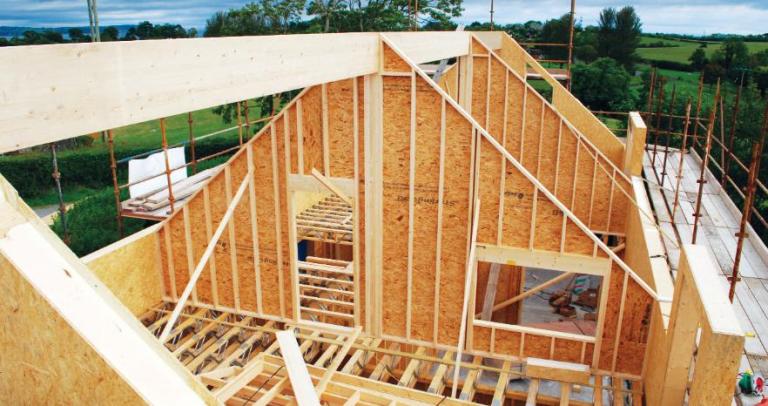
A Structural Insulated Panel (SIP) is a prefabricated building panel made from three layers:
- Outer structural board
- Insulating foam core
- Inner structural board
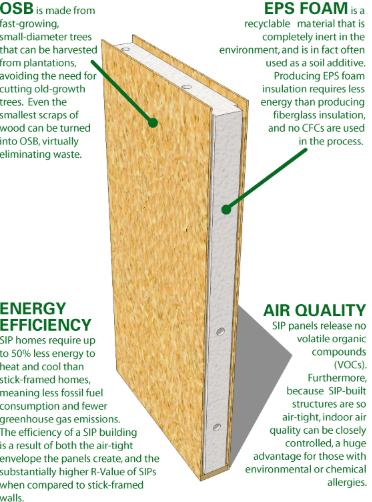
The most common panel consists of:
- Oriented Strand Board (OSB) on both sides
- Expanded Polystyrene (EPS), Polyurethane (PUR), or Polyisocyanurate (PIR) insulation in the middle
The result is a highly insulated structural panel that acts as both the wall structure and insulation layer.
Unlike traditional construction methods where insulation is installed separately, SIPs combine both functions into a single building component.
How Do SIPs Work?
SIPs work similarly to an I-beam.
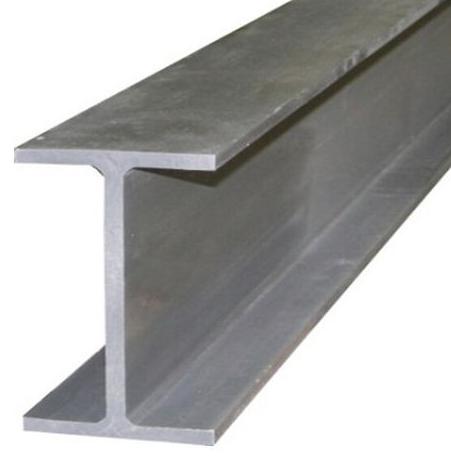
The outer boards provide structural strength while the insulated core prevents heat loss.
This creates:
- Strong wall systems
- Excellent thermal performance
- Reduced thermal bridging
- Improved airtightness
Because panels are manufactured in factories, they arrive on site ready for installation.
This significantly reduces construction time.
Why Are SIPs Popular in Ireland?
Several factors are driving SIP adoption across Ireland:
1. Rising Energy Costs
Irish homeowners increasingly prioritise low-energy homes.
SIPs help reduce heating demand and improve Building Energy Ratings (BER).
2. Faster Construction
Factory-manufactured panels allow homes to become weather-tight quickly.
3. Better Airtightness
Achieving modern energy standards is easier with SIP construction than many traditional methods.
4. Compatibility with Modern Housing
SIPs work well with:
- Modular homes
- Tiny homes
- Passive houses
- Low-energy self-builds
How Much Does a Structural Insulated Panel Cost?
Costs vary depending on:
- Panel thickness
- Manufacturer
- Design complexity
- Transport requirements
- Installation method
See a rough guide below as seen on SipHouse.ie:
1. SIP panel prices per panel sqm.
| Thickness (mm) | Price (eur + VAT) |
|---|---|
| 124 | 34 eur + VAT |
| 174 | 38 eur + VAT |
| 224 | 42 eur + VAT |
| 250 | 46 eur + VAT |
| 274 | 50 eur + VAT |
| 324 | 54 eur + VAT |
2. SIP MgO panel prices per panel sqm.
| Thickness (mm) | Price (eur + VAT) |
|---|---|
| 120 | 58 eur + VAT |
| 170 | 62 eur + VAT |
| 200 | 66 eur + VAT |
| 250 | 70 eur + VAT |
| 270 | 74 eur + VAT |
| 300 | 78 eur + VAT |
| SIP Element | Typical Cost Range |
|---|---|
| SIP wall panels on average | €35 – €150 per m² |
| Supply and install | €120 – €250+ per m² |
| Full SIP structure package | €25,000 – €80,000+ |
For an average Irish self-build home, SIP construction may add between 5% and 15% to the structural shell cost compared to some traditional timber frame systems.
However, overall project costs may be partly offset through:
- Reduced labour
- Faster build times
- Lower energy bills
Are SIPs Cheaper Than Timber Frame?
Generally, SIPs are more expensive upfront than standard timber frame construction.
Typical Comparison
| Feature | SIPs | Timber Frame |
|---|---|---|
| Initial Cost | Higher | Lower |
| Build Speed | Faster | Fast |
| Airtightness | Excellent | Good |
| Insulation Performance | Excellent | Good |
| Labour Requirements | Lower | Higher |
| Energy Efficiency | Higher | Good |
Many builders find that SIPs reduce site labour and shorten project timelines, which can help offset some of the additional material costs.
- The long-term answer often depends on your priorities.
- If maximum energy efficiency is the goal, SIPs may provide better value over the lifetime of the building.
What Are the Benefits of Structural Insulated Panels?
1. Reduced Heating Bills
SIPs provide excellent thermal performance.
This can reduce heating demand significantly compared to older construction methods.
2. Faster Construction Time
Panels are manufactured off-site and assembled quickly.
Many SIP structures can be erected in days rather than weeks.
3. Excellent Airtightness
Fewer gaps mean:
- Less heat loss
- Improved comfort
- Better BER ratings
4. Strong Structural Performance
Despite being lightweight, SIPs are extremely strong.
They can withstand significant structural loads when properly designed.
5. Less Construction Waste
Factory production reduces material waste compared to traditional site-built methods.
What Are the Drawbacks of Structural Insulated Panels?
No construction system is perfect.
1. Higher Upfront Cost
The biggest drawback is usually cost.
SIPs often cost more initially than traditional timber frame construction.
2. Requires Skilled Installation
Poor installation can lead to:
- Air leaks
- Moisture issues
- Reduced performance
3. Limited Design Changes On Site
Since panels are factory-manufactured, late design changes can be expensive.
4. Electrical and Plumbing Planning
Services need careful planning before construction begins.
5. Moisture Management Is Important
Although SIPs are highly durable, poor detailing around windows, roofs, or external cladding can create moisture risks.
What Happens If SIP Panels Get Wet?
This is one of the most common concerns.
Short-term exposure during construction is usually manageable.
However:
- Long-term water penetration should be avoided.
- Standing water can damage OSB facings.
- Persistent moisture may encourage mould or structural deterioration.
Proper installation, weatherproofing, ventilation, and maintenance are critical.
A correctly installed SIP structure should not experience moisture problems.
How Long Do Structural Insulated Panels Last?
Modern SIP buildings are designed for long-term use.
Most manufacturers expect:
| Component | Typical Lifespan |
|---|---|
| SIP structure | 60-100+ years |
| External cladding | 30-60 years |
| Roof coverings | 20-80 years depending on material |
Many experts believe SIP structures can last as long as traditional homes when properly maintained.
How Thick Are Structural Insulated Panels?
SIP thickness varies depending on intended use.
Common Thicknesses
| Panel Type | Thickness |
|---|---|
| Internal partitions | 90mm – 120mm |
| External walls | 140mm – 220mm |
| Roof panels | 170mm – 300mm+ |
The thicker the panel, the better its insulation performance.
How Far Can a 50mm Insulated Panel Span?
Span capability depends on:
- Panel type
- Structural design
- Load requirements
- Manufacturer specifications
A typical 50mm insulated panel used for non-structural applications may span approximately 2 to 4 metres.
However, structural calculations should always be obtained from the manufacturer or engineer before installation.
Can You Build Your Own Structural Insulated Panels?
Technically, yes.
However, it is generally not recommended.
Manufactured SIPs undergo:
- Quality control
- Structural testing
- Fire performance testing
- Certification
DIY SIP production can compromise:
- Structural integrity
- Thermal performance
- Building regulation compliance
Most Irish self-builders purchase certified SIP systems from specialist manufacturers.
How Are Insulated Wall Panels Installed?
The typical process involves:
- Preparing foundations.
- Installing sole plates.
- Positioning SIP wall panels.
- Connecting panels using splines or joints.
- Sealing joints for airtightness.
- Installing roof structure.
- Completing external weatherproofing.
Professional installation is strongly recommended.
What Is the Healthiest Insulation for a House?
There is no single perfect answer. Popular healthy insulation choices include:
1. Wood Fibre Insulation
Benefits:
- Natural material
- Breathable
- Good moisture regulation
2. Sheep Wool Insulation
Benefits:
- Natural
- Renewable
- Low environmental impact
3. Cellulose Insulation
Benefits:
- Recycled content
- Good thermal performance
4. PIR and EPS (Used in SIPs)
Benefits:
- Excellent thermal performance
- Long lifespan
- Consistent quality
The healthiest option often depends on personal preferences, allergies, sustainability goals, and budget.
Can You Put Too Much Insulation in the Loft?
Yes.
While additional insulation improves energy efficiency, excessive insulation can create issues if ventilation is compromised.
Potential problems include:
- Condensation
- Moisture build-up
- Timber deterioration
- Reduced roof ventilation
For most Irish homes, insulation should follow current building regulations and manufacturer recommendations rather than simply adding as much as possible.
Are SIPs Suitable for Ireland’s Housing Crisis?
One reason SIPs continue to attract attention is their potential role in increasing housing delivery.
Benefits include:
- Faster build programmes
- Improved energy efficiency
- Reduced labour requirements
- Compatibility with modular construction
However, SIPs alone will not solve Ireland’s housing shortage.
Like all construction systems, they still require:
- Land
- Infrastructure
- Skilled labour
- Finance
- Planning and development approvals
That said, SIPs could form an important part of future housing delivery, particularly in the growing MMC and modular housing sectors.
Final Thoughts
Structural Insulated Panels offer an impressive combination of speed, strength, and energy efficiency. While they generally cost more upfront than traditional timber frame construction, many homeowners consider the investment worthwhile due to lower energy bills, faster build times, and excellent thermal performance.
For Irish self-builders, modular home buyers, and anyone seeking a highly efficient home, SIPs remain one of the most attractive modern construction methods currently available.
The key is choosing a reputable supplier, ensuring proper installation, and integrating the system into a well-designed overall building strategy.