Just like the COVID-19 pandemic chnaged our views on remote working, modular homes are also beginning to change the way we think about traditional housing.
Though the days of one-size-fits-all buildings are far from being gone; today’s modular homes do bring the dream of personalised and affordable homes into reality.
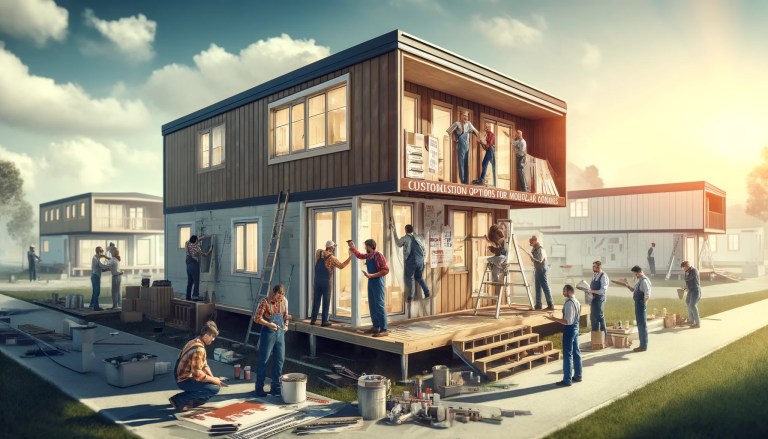
And with constant improvements in technology and construction methods, the customisation options for modular homes can become even more extensive and accessible than ever before.
Key Takeaways
| Topic | Information |
|---|---|
| Design Flexibility | Modular homes offer extensive design options, from floor plans to roof styles. |
| Material Selection | Choose from a variety of materials for both exterior and interior finishes. |
| Energy Efficiency | Customise your home for optimal energy performance through insulation and window choices. |
| Technological Integration | Incorporate smart home features for a modern living experience. |
| Customisation Process | Understanding the steps from design to construction for a smoother journey. |
| Unique Additions | Options for unique additions like sunrooms, decks, and eco-friendly garden roofs. |
Customising Your Modular Home – Things to Consider.
1. The Extent of Customisation

DESIGN LAYOUTS & FLOOR PLANS
Unlike traditional housing, where modifications can be disruptive and costly, modular homes offer the ease of customising floor plans during the design phase.
For instance, a family with mobility needs might opt for wider hallways and doorways, while another might prioritise an expansive kitchen and dining area for entertaining.
Companies like Buildwright and Thermahouse often provide a range of base models that can be adapted to individual needs.
EXTERIOR FINISHES
The external appearance of modular homes can vary drastically depending on the chosen materials and finishes.
For example, a homeowner might choose traditional brick cladding to blend with a historic neighbourhood or go for a contemporary composite material for a modern, minimalist look.
INTERNAL DESIGN CHOICES
The internal finishes are where personal style truly comes to the forefront. Floorings can range from warm, rustic wooden finishes to sleek, polished concrete for an industrial vibe.
Similarly, kitchens and bathrooms can be fitted with fixtures and finishes that reflect the latest interior design trends or timeless classics, depending on the homeowner’s preference.
It’s your home and your money! So do not hesitate to communicate clearly with your builder about what you want!
2. Enhancing Energy Efficiency

Energy efficiency is a paramount concern for many homeowners today, not just for savings on energy bills but also for environmental reasons.
INSULATION
Effective insulation is the cornerstone of an energy-efficient home, reducing the need for heating in winter and cooling in summer. Examples include:
- Spray Foam Insulation – offer superior thermal performance, as it expands to fill all the nooks and crannies, creating an airtight seal that can significantly reduce energy loss.
- Fiberglass Insulation – A commonly used material, fiberglass insulation comes in rolls or batts that are easy to install between wall studs and ceiling joists. Its versatility and cost-effectiveness make it a popular choice among modular home builders.
- Rigid Foam Board Insulation – For homeowners looking to add extra insulation without significantly reducing interior space, rigid foam boards are an excellent option. They can be applied to walls, roofs, and floors, offering high insulation value with minimal thickness.
- Reflective Insulation – This type relies on reflective surfaces to reduce heat transfer, making it particularly useful in homes exposed to significant sunlight.
- Recycled Material Insulation – For those keen on sustainability, insulation made from recycled materials such as denim or cellulose offers an eco-friendly option. These materials not only provide excellent thermal insulation but also contribute to a home’s overall environmental footprint reduction.
WINDOWS
The right windows can offer enhanced insulation. Moreover, positioning windows to maximise natural light can reduce reliance on artificial lighting, further cutting energy costs.
- Double or Triple-Glazed Windows -These windows consist of two or three layers of glass with an inert gas like argon between them, providing excellent insulation. Very important in a country like Ireland where you can get rain, sun, snow, sleet, storm and hail all in one day!
- Low-Emissivity (Low-E) Glass – Low-E windows have a microscopically thin coating that reflects heat. This means in the winter, heat is reflected back into the home, and in the summer, outdoor heat is reflected away, keeping the home cooler.
- Proper Window Placement – The strategic placement of windows can leverage natural light to its fullest, reducing the need for artificial lighting. For example — rooftop and south-facing windows can help heat the space in winter, reducing heating demands.
3. Incorporating Technology
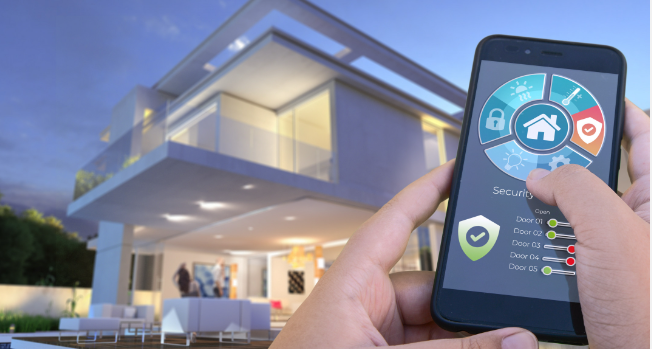
The integration of technology can transform a modular home into a smart, efficient living space. SOme ideas include:
Smart Thermostats – such as the Nest or Hive, can learn your schedule and preferences, adjusting the heating and cooling systems automatically to optimise energy usage.
Automated Lighting Systems – Incorporating LED lights with motion sensors or smart lights that can be controlled via smartphone apps or voice assistants like Amazon Alexa or Google Assistant allows homeowners to manage lighting more efficiently.
Home Security and Monitoring Systems – Modern modular homes can be equipped with smart security systems that include Wi-Fi-connected cameras, smart door locks, motion detectors, and door and window sensors. These systems can send real-time alerts to your phone if they detect unusual activity.
Smart Home Assistants – Devices like Google Home and Amazon Echo can centralise control over various smart devices in the home, from thermostats and lights to security systems and even kitchen appliances, making it easier to manage the household and save time on daily tasks.
4. The Customisation Process

The journey to a customised modular home involves several steps, from choosing a base model and floor plan to selecting finishes and making specific design requests.
Patience & Communication with the provider is key, and ensure that every detail is considered and documented. Below is a brief overview of the customisation process:
- Initial Consultation – Meet with the modular home provider & discuss needs, desires, and budget. Also explore base models as starting points.
- Design Phase – Select or modify floor plans, choose exterior and interior finishes & decide on energy efficiency features and technology integrations.
- Review and Finalise Customisation -Examine detailed drawings and 3D models, Make any final adjustments & approve the final design.
- Cost Estimation – Receive a detailed cost breakdown & discuss financing options if necessary.
- Construction Phase – Builders then begin off-site construction of home modules.
- Installation and Finishing Touches – Builders assemble modules on the chosen site & complete any necessary on-site work such as connections to utilities, and finishing external landscaping.
- Final Inspection and Handover – Conduct a thorough walk-through of the completed home, address any final adjustments or corrections & officially get the keys.
The above is an oversimplification of the process, but you have to bear the above in mind and remember again – Patience & Communication are KEY!
5. Unique Additions
Beyond the standard customisation options, some homeowners may wish to include unique additions that make their homes stand out or suit specific hobbies and interests. This could include:
- Sunrooms: A sunroom can provide additional living space bathed in natural light, ideal for relaxation or as a green space for plants.
- Decks and Outdoor Spaces: Custom decks or patios can extend living spaces outdoors, providing a seamless transition between indoor and outdoor environments.
- Eco-friendly Features: Green roofs, rainwater harvesting systems, and solar panels are just a few options for homeowners looking to reduce their environmental impact further.
Conclusion
Customising a modular home offers an exciting opportunity to create a space that fits one’s lifestyle and preferences perfectly. With a broad spectrum of design, material, and technology options, the possibilities are nearly endless.
Embracing the customisation process can lead to the creation of spaces that are not only visually appealing and functional but also energy-efficient and techn-advanced, making modular homes an attractive option for homeowners in Ireland.
Interested in learning more about modular homes or starting your customisation journey? Explore our comprehensive guides on All You Need to Know About Modular Homes in Ireland and Finance for Modular Homes & Log Cabins in Ireland.